
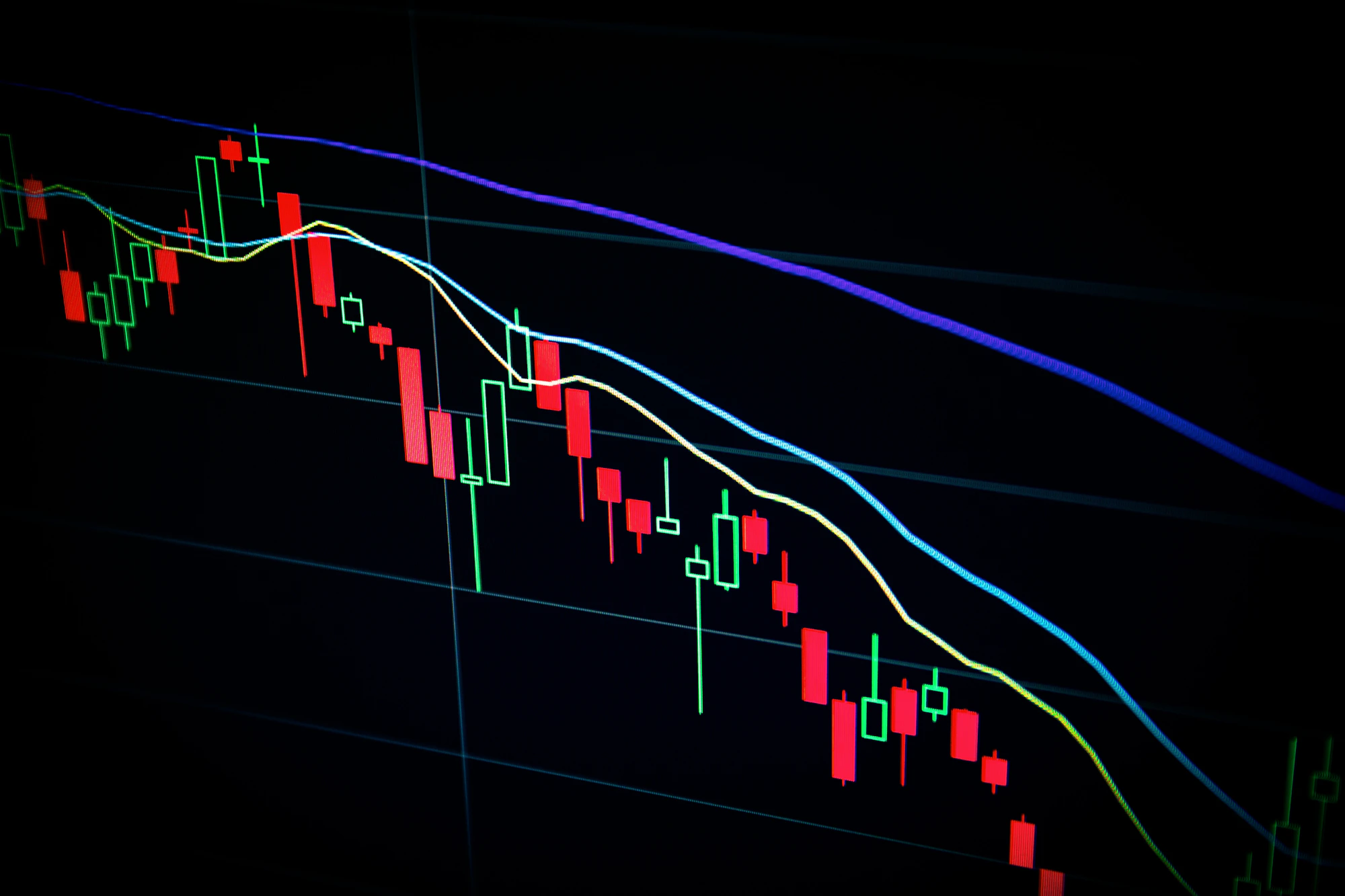
Perpetual futures never settle, so the price has to be tethered to spot some other way. That mechanism is funding, and it quietly decides whether a correct directional call still loses money.
How funding actually works
Every few hours longs pay shorts, or the reverse, depending on which side the perp trades relative to the index. Hold through enough of those stamps and the carry outweighs the move you predicted.
Reading the rate before you enter
A rate above roughly 0.05% per interval means the crowd is already long and paying for the privilege. That is not a reason to fade it, but it is a reason to size smaller.
Liquidation is a margin problem, not a price problem
Your liquidation price is a function of maintenance margin, not of conviction. Cross margin moves it around as other positions breathe; isolated margin pins it where you set it.
The number that matters
Distance to liquidation in volatility units beats distance in percent. A 6% buffer is generous on a stablecoin pair and reckless on a low-cap perp.
Frequently Asked Questions
Does higher leverage always mean higher risk?
No. Position size against account equity is the risk. Leverage only sets how much collateral is locked to hold that size.
Can funding alone make a winning trade lose?
Yes, on multi-day holds in a crowded direction. Model it as a daily cost before entry, not as an afterthought.
Is isolated margin always safer?
It caps the loss per position but removes the buffer other positions would have provided. Safer per trade, not always safer per account.